

भाग 1: फ्लोटिंग फिश फ़ूड बनाने वाली मशीनों के जीवनकाल को बढ़ाने के लिए स्नेहन के बाद रखरखाव
चिकनाई के बाद रखरखाव बाद में चिकनाई विफलताओं को कम करने और उपकरण के जीवनकाल को बढ़ाने के लिए महत्वपूर्ण है।" जो अत्यधिक व्यावहारिक और लागू करने में आसान हैसबसे पहले, स्नेहन के बाद निरीक्षणः स्नेहन के बाद, प्रत्येक स्नेहित भाग का निरीक्षण करें ताकि यह सुनिश्चित किया जा सके कि स्नेहन समान है, उचित मात्रा, कोई अत्यधिक वसा ओवरफ्लो नहीं है, और कोई चूक नहीं है।उपकरण चालू करें और 3-5 मिनट के लिए इसे निष्क्रिय चलाएं, इसके कामकाज का निरीक्षण करना, किसी भी असामान्य शोर या जामिंग को सुनना और स्नेहन की प्रभावशीलता की पुष्टि करने के लिए घटक तापमान की जांच करना।तैरती मछली फ़ीड extruder मशीन (विशेष रूप से गियरबॉक्स) की सील की जाँच करेंयदि कोई तेल रिसाव होता है, तो तुरंत क्षतिग्रस्त गास्केट की जांच करें और उन्हें तुरंत मरम्मत या प्रतिस्थापित करें। दूसरा, सफाईःकिसी भी अतिरिक्त वसा को हटाने के लिए उपकरण की सतह और स्नेहक भागों को साफ करने के लिए एक साफ कपड़े और ब्रश का उपयोग करें, कच्चे माल को दूषित करने से बचने के लिए इनलेट और आउटलेट के आसपास की वसा को साफ करने पर विशेष ध्यान देते हुए।स्नेहन उपकरण साफ करें और किसी भी उपकरण और शेष वसा को व्यवस्थित और स्टोर करें ताकि वसा खराब होने और उपकरण के नुकसान को रोका जा सकेतीसरा, रिकॉर्डिंग और ट्रेसेबिलिटीः चिकनाई की तारीख, चिकनाई भाग, चिकनाई तेल का प्रकार और मात्रा, ऑपरेटर,भविष्य के रखरखाव और समस्या निवारण के लिए उपकरण और ऑपरेटिंग स्थिति. स्नेहन रिकॉर्ड के आधार पर, याद किए गए स्नेहन से बचने के लिए अगले स्नेहन सत्र को शेड्यूल करें।
भाग दो: स्वचालित मछली फ़ीड बनाने वाली मशीनों में स्नेहन विफलता दर को कम करने के लिए दीर्घकालिक सुरक्षा प्रणाली
1दैनिक संचालन प्रक्रियाएं: ऑपरेटरों को सुरक्षित स्नेहन प्रक्रियाओं का सख्ती से पालन करना चाहिए और अनधिकृत संचालन या अनावश्यक स्नेहन से सख्ती से मना किया जाता है;उत्पादन तीव्रता के अनुसार स्नेहन आवृत्ति समायोजित (उच्च भार उत्पादन के दौरान स्नेहन अंतराल को छोटा, और कम लोड उत्पादन के दौरान उन्हें उचित रूप से बढ़ाएं, लेकिन 10 दिनों से अधिक नहीं); उत्पादन के बाद,कोर स्नेहन बिंदुओं पर सरल सफाई और पुनः स्नेहन करना ताकि घटकों को लम्बे समय तक स्नेहन मुक्त स्थिति में रहने से रोका जा सके; 2. वसा प्रबंधन: संग्रहीत विशेष वसा को एक सूखी, वेंटिलेटेड और ठंडी जगह पर रखा जाना चाहिए, भंडारण के लिए सील, धूल और नमी से बचने के लिए वसा के बिगड़ने से बचने के लिए;नियमित रूप से वसा की स्थिति की जांच करें, और तुरंत इसका उपयोग बंद कर दें और यदि गांठ, रंग परिवर्तन या असामान्य गंध पाई जाती है तो इसे नए वसा से बदल दें; विभिन्न प्रकार और मॉडल के वसा को अलग से संग्रहीत और मिश्रित किया जाना चाहिए;उपकरण का रखरखाव: मछली फ़ीड उत्पादन लाइनों का नियमित रूप से निरीक्षण करें... मशीन के चलती भागों (जैसे बीयरिंग, शिकंजा और गियर) के पहनने और आंसू की निगरानी की जानी चाहिए।समय पर मरम्मत या प्रतिस्थापन किया जाना चाहिए ताकि आगे के पहनने और बढ़ी हुई स्नेहन भार को रोका जा सकेउपकरण के अंदर और स्नेहन बिंदुओं पर धूल और सामग्री के अवशेषों को नियमित रूप से साफ किया जाना चाहिए ताकि अशुद्धियों को तेल में मिश्रण करने और स्नेहन प्रदर्शन को प्रभावित करने से रोका जा सके।चौथा, कर्मियों का प्रशिक्षण महत्वपूर्ण हैः ऑपरेटरों और रखरखाव कर्मियों को नियमित रूप से व्यावसायिक प्रशिक्षण प्रदान किया जाना चाहिए ताकि यह सुनिश्चित किया जा सके कि वे स्नेहन विधियों, सुरक्षा सावधानियों में कुशल हैं,और विभिन्न मशीन मॉडल के लिए समस्या निवारण तकनीकइससे उनके व्यावहारिक कौशल और सुरक्षा जागरूकता में सुधार होगा और अनुचित संचालन के कारण होने वाली स्नेहन विफलताओं को कम किया जाएगा।
हमारे बारे में
ग्राहक का दौरा
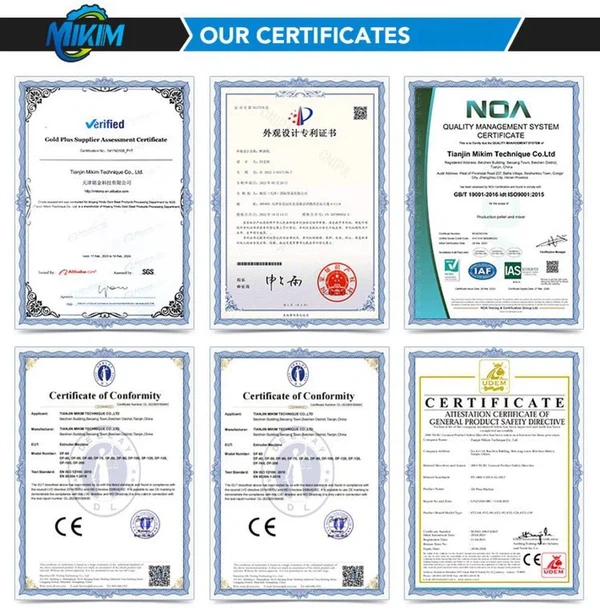
सम्मान प्रमाण पत्र